
Why produce snow ?
Guests want high quality
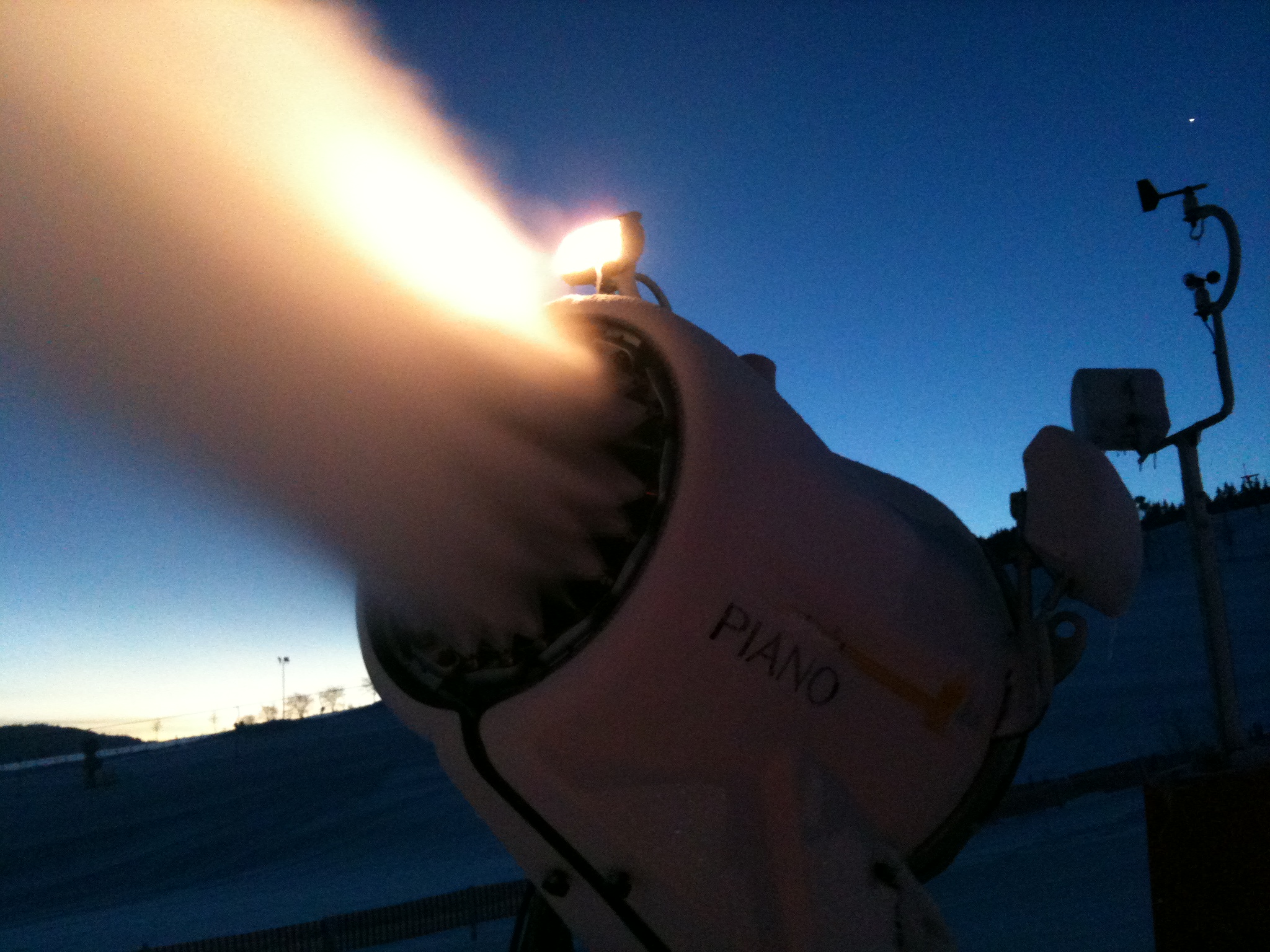
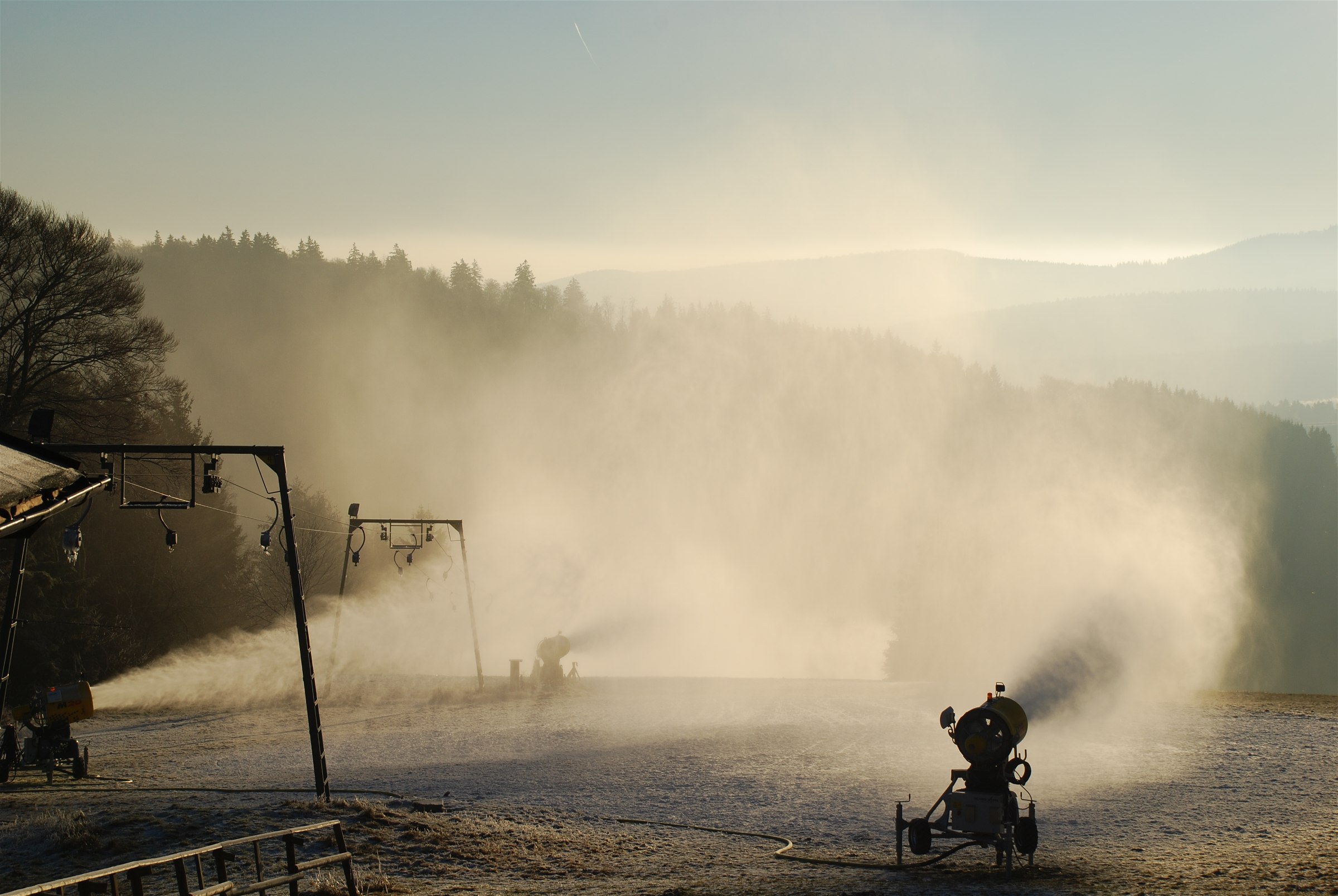
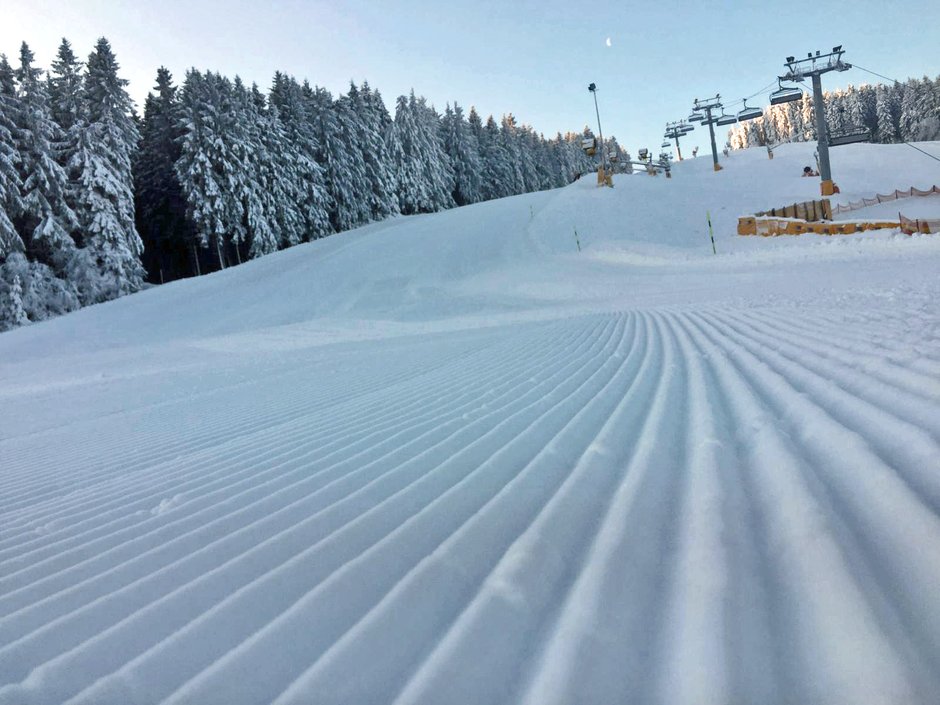
Almost all major ski resorts now use artificial snowmaking – including those in the Alps. The reasons for this include, amongst other things, rising expectations regarding piste quality, safety and predictability. A snow cover of ten or 15 centimetres is now hardly sufficient for safe, high-quality skiing. A sufficiently thick layer of natural and artificially produced snow significantly improves piste quality, durability and safety.
Furthermore, winter sports need to be predictable – for everyone involved. Guests want to book their holidays in advance rather than wait for the right weather. Accommodation providers, ski schools, equipment hire firms and catering businesses need a reliable season to be able to plan their staffing, services and investments.
Investments in modern lifts, snowmaking, piste maintenance and services require a sufficient number of operating days. Without artificial snowmaking, this reliability would be significantly lower in the low mountain ranges.

Weather fluctuations as the basis for snowmaking
The weather in the low mountain ranges is usually subject to significant fluctuations. It is precisely these typical weather fluctuations that make artificial snowmaking effective: cold spells are used to create a stable base layer of snow. Two to three cold days or three to four cold nights are sufficient to create a base layer of snow that, with proper grooming, can last for a long time.
This means that even in mild winters, many operating days can be achieved.
Artificial snowmaking has significantly extended the length of the season. In the 1990s, even at the highest altitudes in the region, there were only 40 to 50 operating days per winter. Since the early 2000s, the reliability of snow cover has increased significantly thanks to artificial snowmaking, modern piste maintenance and the targeted use of cold spells. High-altitude ski resorts now achieve between 90 and over 100 operating days per season.